
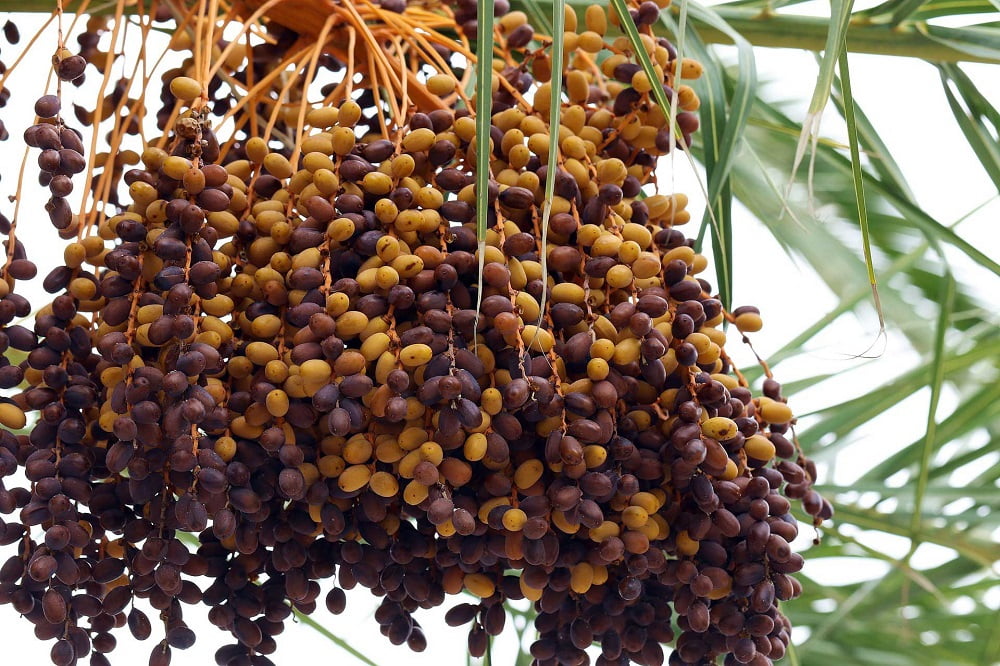
What "kurma harga" actually covers
"Kurma harga" is just Malay for date price, but in trade conversations it means something more specific: the price a buyer pays once grade, origin and packing are factored in. Two boxes of dates sitting side by side can differ by RM10-RM15 per kilo, and the reason is almost never the fruit itself — it's the grading paperwork and handling behind it. This post walks through how that grading actually works in the Malaysian market, using the same criteria wholesalers and retailers like Kurma Harga apply when they price a shipment.
Where the grading line starts: the farm
Grading begins before the dates reach Malaysia. Exporters in Iran, Saudi Arabia, Tunisia and Palestine sort fruit at the packing house by size, moisture and visual condition, then assign a grade code that follows the box through customs and into the importer's warehouse. A Malaysian buyer rarely negotiates on raw fruit quality at this stage — they're buying against a grade that's already been fixed.
Size and count-per-kilo
Size is measured, not eyeballed. A common way importers describe it is count-per-kilo: how many individual dates make up one kilogram. Jumbo Medjool might run 8-10 pieces per kilo; a smaller Sayer or Rabbi date can be 20-plus per kilo. Fewer, bigger dates almost always cost more, because yield per tree drops as fruit size goes up — the tree simply produces less total weight when each date is larger.
Moisture band, not a single number
Moisture is graded in a band rather than a single ideal figure, because different dates are supposed to sit at different points. A soft Medjool is meant to hold noticeably more moisture than a dry-cured Sayer, and neither is "wrong" — they're different products for different uses (fresh eating versus longer shelf life). What matters for price is whether the fruit's actual moisture matches the band its grade claims. A batch labelled premium-soft that turns up dry gets rejected or re-graded down, and that rejection cost gets built into everyone else's price on that shipment.
Skin condition and sugar bloom
The white, slightly crystalline film that sometimes forms on a date's skin is sugar naturally rising to the surface — it's not mould, and graders don't penalise it. What does affect grade is skin splitting, insect damage and visible bruising from rough handling. A shipment with a high rate of split or damaged skin gets down-graded even if the taste inside is unaffected, because retailers know shoppers judge with their eyes first.
What changes the price after grading is fixed
Currency and shipping
Most date imports into Malaysia are priced in USD at origin, so a weaker ringgit raises landed cost even when the grade and quantity haven't changed. Air freight versus sea freight is the other lever — air-freighted fresh dates (like early-season Rutab-stage fruit) cost several times more to ship than the same weight of dried, sea-freighted stock, and that gap shows up directly on the shelf price.
Ramadan demand
Demand for dates in Malaysia spikes hard in the weeks before and during Ramadan, and wholesalers who buy container stock months ahead price it into their non-Ramadan rates too — carrying six months of inventory has a cost. This is why the same grade of Medjool can be RM5-RM8 cheaper per kilo in July than it is two weeks before Ramadan.
Packaging format
Loose dates sold by weight from an open tray are usually the cheapest way to buy a given grade. Once dates go into a branded box with a window, ribbon or gift sleeve — common for hantaran and festive gifting — the packaging and labour add a real cost on top of the fruit, sometimes 20-30% over the loose-tray price for the identical grade.
Reading a price tag like a buyer
When a label lists both grade and origin (for example, "Medjool Jumbo — Palestine" or "Safawi A — Madinah"), that's useful information: it tells you the count-per-kilo tier and lets you compare it against a known reference point rather than guessing from appearance alone. A listing with no grade or origin at all is harder to price-check, and that's usually where mismatched expectations happen — the fruit isn't necessarily lower quality, it's just not labelled in a way that lets you compare it. For anyone sourcing in volume, it's worth asking a supplier for the count-per-kilo figure directly rather than relying on marketing terms like "premium" or "super," which aren't standardised across sellers. If you're comparing sources before purchasing dates, ask the same three questions every time: grade code, count-per-kilo, and moisture band — those three numbers explain most of the price difference you'll see between two otherwise similar boxes.
A quick buyer's checklist
Before paying a premium price, check: does the label state an actual grade (not just "premium")? Does the count-per-kilo match what you'd expect for that variety? Is the skin condition visibly consistent across the box, not just the top layer? These three checks catch most of the mismatches between price and fruit.
Malaysia's date market runs almost entirely on imported fruit, which means local price swings usually trace back to one of the factors above rather than anything happening domestically. Our harga kurma coverage tracks these shifts by variety, and our Medjool price breakdown and import compliance guide go deeper on two of the pieces covered here. For sourcing questions specific to your order size, our team can walk through current grades and lead times.