
Where Iranian dates fit into Malaysia's imported kurma market
Ask most Malaysian buyers to name an imported date and they'll say Medjool. Fewer know that Iran is one of the largest date producers in the world, and that varieties like Mazafati, Piarom and Mariami arrive in Malaysia through the same pemborong kurma malaysia channels as the more familiar Middle Eastern names. They just haven't been marketed as hard.
Three Iranian varieties worth knowing
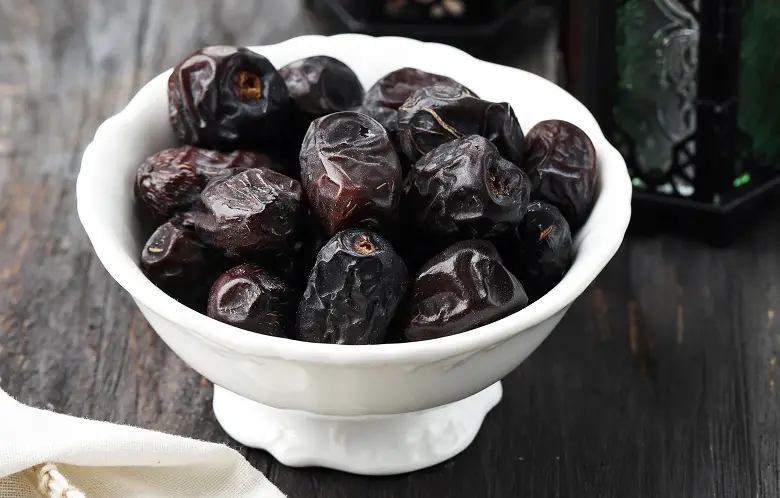
Mazafati is soft, dark and moist — closer in texture to a fresh fruit than a dried snack, which is why it needs colder, faster shipping than most other varieties. Piarom is smaller, wrinkled and notably sweeter, often sold at a premium because the drying process that gives it that dense, chewy texture takes longer. Mariami sits in between: firmer than Mazafati, less concentrated than Piarom, and generally the easiest of the three to store at room temperature for a normal retail shelf life.
Why the freight route changes the price
Iran's date-growing regions are landlocked or near-landlocked relative to the ports that ship to Southeast Asia, which means Iranian dates typically move through longer, more complex freight chains than dates from the Gulf states. Sanctions-related banking friction has also, at times, made supplier payment slower to arrange, which shows up as a cost premium rather than a quality difference. None of this means Iranian dates are inferior — it means the landed price reflects logistics most buyers never see.
How Iranian stock compares on the shelf
Next to Medjool, Mazafati looks smaller and darker but often costs less per kilogram, since Medjool's size and cosmetic grading command a premium that Mazafati's softer, less uniform appearance doesn't. Next to Ajwa, Mariami is a reasonable substitute in recipes that call for a firm, less syrupy date — worth knowing if a supplier's Ajwa stock runs low during a demand spike. Buyers curious how Iranian varieties hold up in cooking rather than snacking can look at how Mariami AA performs beyond sweet treats, and anyone comparing it directly against Ajwa should see what wholesale Ajwa sourcing in Malaysia actually looks like.
What buyers should ask before switching suppliers
If a supplier is offering Iranian stock at a price that looks too good against Medjool or Ajwa, ask about cold-chain handling specifically for Mazafati — it's the variety most likely to arrive degraded if shipping was cut corners to hit a price point. It's also worth understanding how cultivation technology affects date pricing generally, since mechanized harvest and sorting is more common in some Iranian operations than in traditional Middle Eastern groves, and that shows up in both consistency and cost.
Iranian dates aren't a budget substitute for the varieties Malaysian buyers already know — they're a different set of products with their own texture, season and logistics, worth sourcing on their own terms rather than as a fallback.