
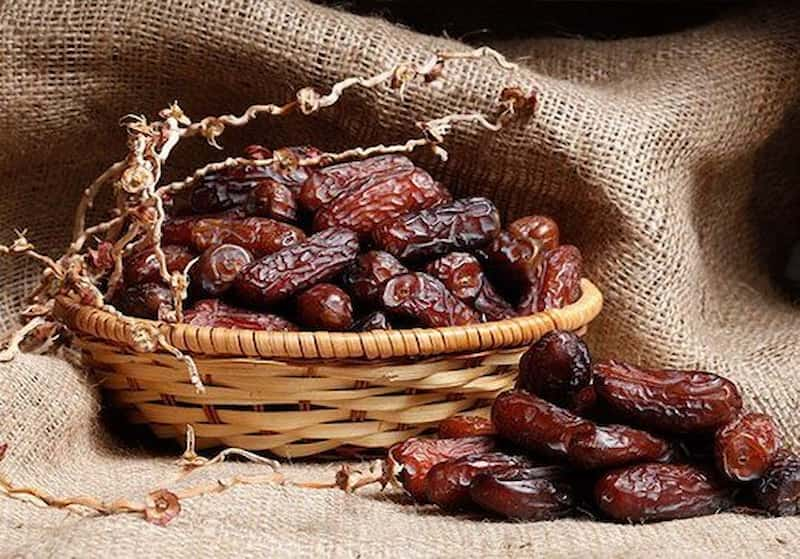
Date palm farming still runs on the same basics it always has: soil, water, sun, and a farmer who knows the trees. What has changed over the last decade is the layer of measurement sitting on top of that — sensors, satellite imagery, and irrigation controllers that tell a grower exactly what a palm needs instead of leaving it to guesswork. That matters for harga kurma too: a plantation that loses fewer fruit to disease or drought stress produces a more consistent crop, and consistent supply is one of the things that keeps prices from swinging wildly season to season.
Soil and water sensors replace the daily walk-through
Traditionally a farm supervisor checks soil moisture by hand, walking rows of palms and judging by feel. Buried soil-moisture probes now do that continuously, feeding a dashboard that flags a block of trees before the leaves show stress. Paired with drip irrigation on a timer tied to those readings, growers in the Gulf states and in Iran's Bam region have cut water use on date plantations by a meaningful margin, since water only runs when the soil actually needs it rather than on a fixed schedule.
Spotting disease before it spreads
Bayoud disease and red palm weevil are the two threats that worry date growers most, and both are far cheaper to manage caught early. Aerial imagery — drone flights or satellite passes — can pick up the early colour changes in a palm's crown before they're visible from the ground, giving a farm crew time to remove or treat a single tree instead of losing an entire block. This is the kind of detail that separates a plantation with a stable annual yield from one that has a bad year every few seasons.
Pollination is still mostly manual — and that's not changing soon
Every commercial date palm needs to be hand-pollinated once a year, climbing the tree and transferring pollen from a male palm to the female flower clusters. Mechanised pollen blowers exist and are used on large commercial farms to cut down the climbing time, but nothing has replaced the judgment of a worker who knows which clusters are ready. It's worth knowing this when you hear "high-tech date farming" — the labour-intensive parts of growing dates haven't gone away, they've just been made a bit more efficient.
What this means once the fruit reaches Malaysia
None of this changes what a date tastes like on your table, but it does affect what's on the shelf and when. Better disease control and irrigation planning mean fewer supply gaps, which is part of why wholesalers who work directly with growers can usually offer steadier stock than importers buying on the spot market. If you're comparing prices across grades, our guide to date pricing and grading in Malaysia breaks down why an Ajwa costs more than a Deglet Noor before technology even enters the picture.
For the fruit itself — Medjool, Ajwa, Safawi, and the rest — visit our supplier page or browse current stock at irandatefruit.com.