
Date Safety: A Guide to Compliance
Where safety is actually decided: before the container ships
Compliance for exported Iranian dates isn't decided at the retail end — it's decided at the farm and the packing house, long before a pemborong kurma (date wholesaler) ever lists the product. For buyers sourcing Mazafati, Piarom, or Zahedi from Iran, understanding what happens at each stage explains why some suppliers can offer consistent quality and others can't.
Moisture control matters most for soft varieties
Mazafati is a wet, soft date by nature — that's part of its appeal, but it also means moisture management during drying and packing is the single biggest factor in whether a batch survives shipping without fermenting. Dates packed slightly too wet will ferment in transit, developing a sour smell and soft, weeping texture by the time they arrive. Piarom and Zahedi, being naturally drier varieties, are more forgiving here, which is part of why they travel and store more predictably.
What phytosanitary certification actually confirms
Iranian date exports require a phytosanitary certificate confirming the shipment is free of pests and plant diseases that could affect the importing country's agriculture — this isn't a quality grade, it's a pest-and-disease clearance. A buyer asking for this document is checking a real, verifiable safety step, not an empty formality. Ask for it by name; a legitimate exporter will have it on file for every shipment.
Cold chain: the step most likely to be skipped
Once packed, dates destined for export ideally travel in temperature-controlled containers, particularly for the softer, higher-moisture varieties. A break in the cold chain — a delayed customs stop in a hot climate, for instance — can push a borderline-moisture batch into fermentation before it ever reaches a Malaysian port. Buyers working with an exporter directly can ask whether reefer (refrigerated) containers are used for the specific variety they're ordering; it's a fair question and one that affects what arrives.
Signs a shipment wasn't handled well
A few checks apply regardless of variety:
Smell: normal is sweet with a faint caramel or molasses note; sour or alcoholic means fermentation has started.
Texture: Mazafati should be soft and moist but not visibly weeping liquid; a pool of syrup in the bag is a bad sign.
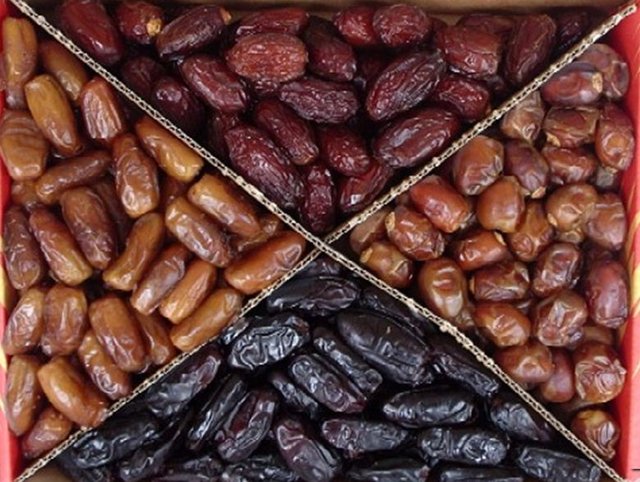
Colour uniformity: dates from a single well-managed batch look reasonably consistent; wide colour variation can indicate mixed harvest timing or storage conditions.
Packaging: vacuum-sealed or properly sealed cartons protect against both moisture loss and pest entry during the long sea or air journey.
What this means for buyers comparing exporters
The exporters worth working with can answer specific questions about moisture handling, cold-chain use, and certification without hesitation — vague reassurance about "premium quality" is a weaker signal than a straight answer to a specific question. For more, see our guide to kurma suppliers in Malaysia, our notes on Safawi dates and their flavour profile, and our piece on Medjool taste, texture and ripeness for comparison against Iranian varieties.