
Why the supply chain matters more than the price tag
Most buyers shopping for Kurma suppliers in Malaysia compare price lists side by side and stop there. That misses the part that actually determines what lands on the shelf: whether the dates travelled a short, direct route from the growing region, or passed through two or three repackagers before reaching a Malaysian warehouse. A supplier working straight from an origin country like Iran can tell you the harvest month, the grading station, and the cold-chain handling. A reseller buying from another reseller usually can't — and that gap shows up in moisture content and shelf life, not just in the invoice.
Iran's date regions aren't interchangeable
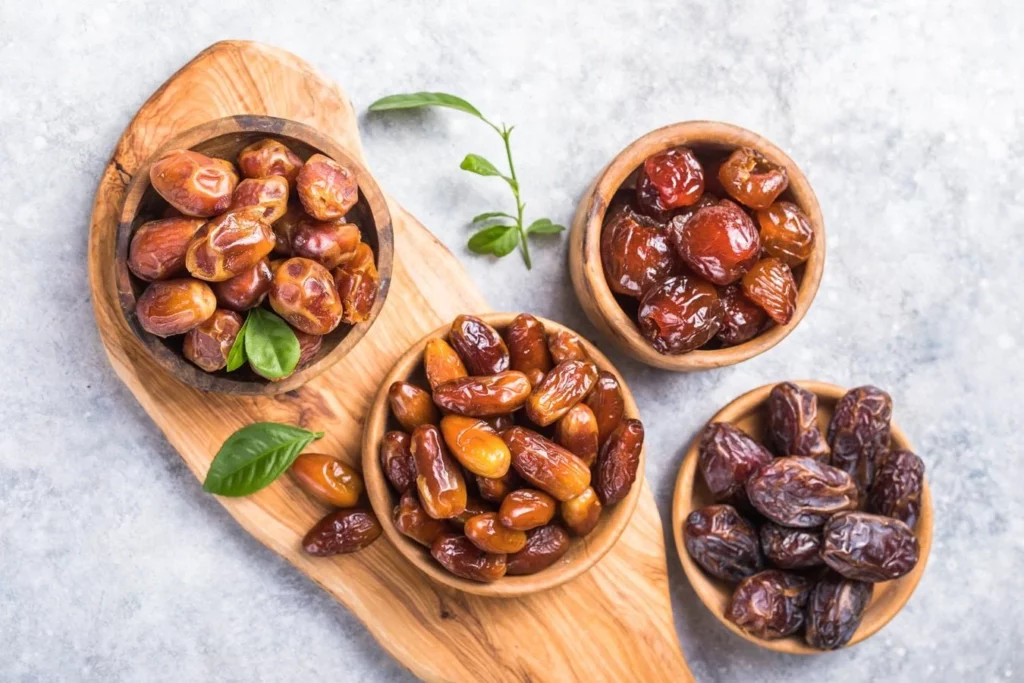
Iran alone produces several distinct varieties that Malaysian buyers lump together as "Iranian kurma." Mazafati comes mainly from Kerman province and is sold semi-dried — it needs refrigerated transport and storage, unlike a fully dried Deglet Noor. Piarom is grown around Bandar Abbas in Hormozgan, has a drier, wrinkled skin, and tolerates room-temperature storage far better. Zahedi is the driest of the three and is often used for processing rather than direct snacking. A supplier who can name which region a batch came from is also a supplier who knows which storage conditions that batch actually needs — the two go together.
What to ask for before you order
A phytosanitary certificate confirms the shipment cleared agricultural inspection at export. A moisture content spec (usually stated as a percentage range) tells you whether you're buying a product built for long shelf life or one that needs a fridge from day one. Ask for both before committing to a bulk order, not after the first complaint about mould on a pallet that sat in a non-cooled container.
Harvest timing shapes what's available, and when
Iranian date harvest runs roughly from August through November depending on the variety and region. Stock bought in December is typically from the most recent harvest; stock still being sold in June has been in storage for six months or more, which matters more for semi-dried Mazafati than for a fully dried variety. If a supplier's price doesn't move at all across the year, that's usually a sign they're blending old and new stock rather than tracking the season — worth asking about directly rather than assuming.
Comparing origins side by side
Buyers who deal only with Iranian suppliers sometimes miss how differently other origins handle the same questions of harvest and grading. Palestinian and Jordanian Medjool, for instance, follows a different moisture and grading convention entirely — worth knowing if you're stocking more than one variety. For a wider look at how Kurma supplier in Malaysia sourcing works across origins, and how nutritional profiles are typically compared between them, see our nutritional value breakdown and how distributors move stock once it clears the port.
The short version
A reliable Kurma supplier in Malaysia isn't just the one with the lowest quote — it's the one that can answer, without hesitation, which region a batch came from, what its moisture spec is, and how it's been stored since harvest. Buyers who ask those three questions upfront avoid most of the quality problems that show up after the sale.