
This site is mostly about Iranian dates: Mariami, Piarom, Mazafati. So it is fair to ask why a page here talks about Kurma Tangkai, which is not an Iranian product at all. The answer says a lot about what a dates distributor in Malaysia actually does.
What kurma tangkai is, and where it comes from
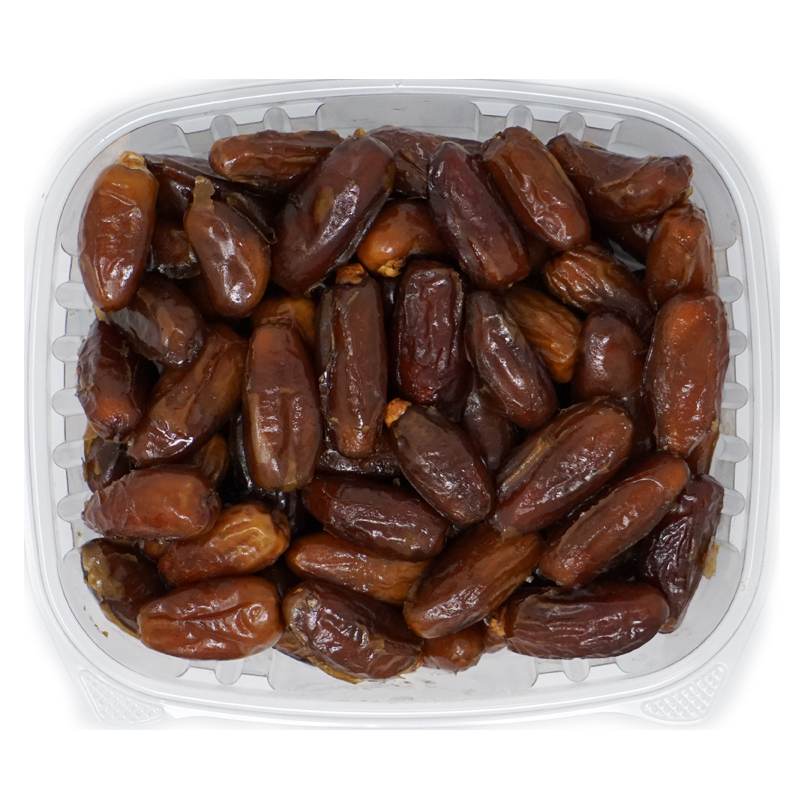
Kurma tangkai is Deglet Noor sold still attached to its strand, the thin branch that held the fruit on the bunch. Deglet Noor is a semi-dry date, amber to light brown, and the tangkai stock sold in Malaysia comes mainly from Tunisia, with some from Algeria. Tangkai is a way of packing, not a variety. You will not find "Mazafati tangkai" as a normal trade item.
So a shop that wants both a box of Mariami and a few packs of tangkai on the shelf is buying from two very different supply lines: one from Iran, one from North Africa. Very few small retailers can import from both. That gap is where the distributor sits.
One supplier, several origins
A distributor's first job is to hold a range that no single small buyer could put together alone. An importer brings in full shipments from one origin at a time. A kedai runcit owner in Kota Bharu needs ten cartons of mixed stock, not a container of one thing. The distributor buys from several importers, or imports directly, and sells the mix in quantities a shop can actually use.
For a buyer, this means one invoice, one delivery and one person to call when something is wrong. It also means the distributor's range decides what you can sell. If they only carry Iranian lines, you will not get tangkai from them, however good their Mariami is.
Different dates, different storage
Carrying several origins also makes storage harder, because the dates do not all behave the same in a warehouse. Mazafati is a soft, moist date and is normally kept chilled. Mariami and Piarom are semi-dry and keep more easily. Deglet Noor on the strand is semi-dry too, but the strand is the part buyers look at, so a distributor has to stop cartons being crushed or stacked so high that the strands break and the fruit falls loose.
A good distributor stores each line by what it needs, rather than putting everything on one pallet in one room. When you visit, look at how the stock is kept. It tells you more than a price list does.
What the distributor adds, and what it costs you
Every layer between the farm and your shelf adds a margin. A distributor earns theirs by doing work you would otherwise have to do: holding stock ahead of the busy season, splitting cartons, checking lots when they arrive, and replacing a bad carton without an argument. If a supplier does none of that and still charges a distributor's margin, you are paying for nothing.
How reputable dates distributors build up their wholesale prices is covered in our pricing guide. If you mainly want to know how the Iranian varieties differ from each other before you order, read the variations in taste and texture between wholesale dates.
Questions to ask a distributor about tangkai
- Which country is this lot from, and when was it packed? The carton label should show both.
- How many of the dates in a pack are still on the strand, and how many have come loose?
- Do you hold tangkai all year, or only before Ramadan?
- If a carton arrives with broken strands, do you replace it?
Tangkai sells hardest in the weeks before puasa, and our post on kurma tangkai and the Ramadan rush covers that season. For a wider look at who supplies dates in Malaysia, see the world of kurma suppliers in Malaysia, and for value-for-money outside the Iranian lines, compare high-quality dates from other origins.