
Beyond Medjool: date varieties most buyers never see
Malaysian buyers mostly know three or four names — Medjool, Ajwa, maybe Safawi. That leaves a long list of dates that barely reach a local shelf, even though several of them are the everyday variety in the countries that grow them. Here's what actually sets them apart, not just that they're "rare."
Piarom: Iran's dark, dry-cured date
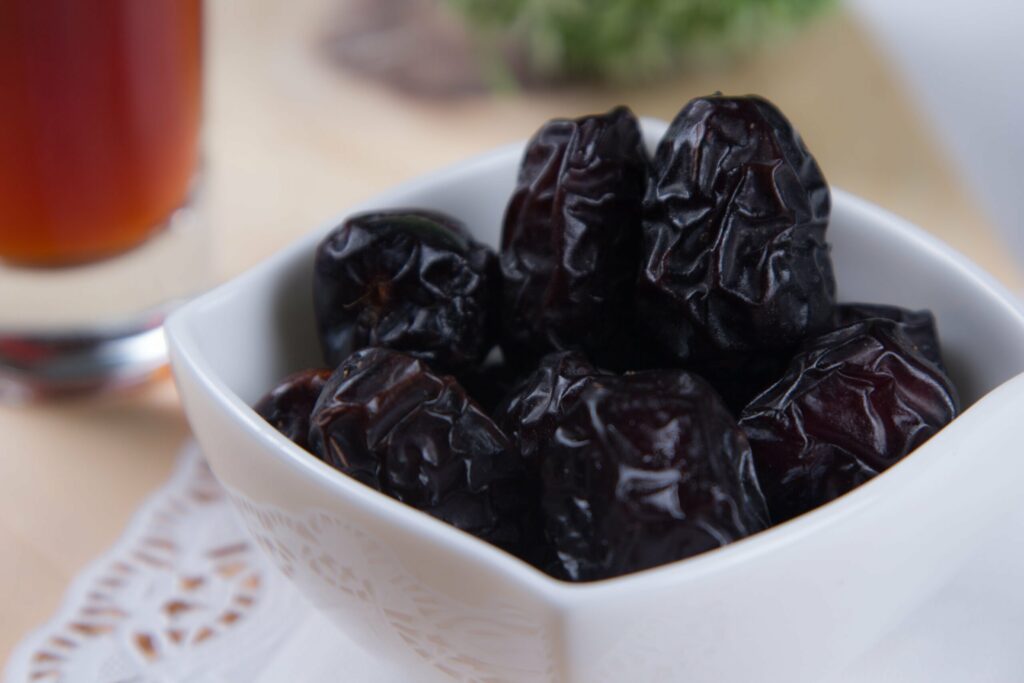
Grown mainly around Bam and Minab in southern Iran, Piarom is long and slender next to a Medjool, with near-black skin and a firmer, chewier bite rather than the syrupy softness most people expect. It's picked later in the season and cured longer, which is what gives it that drier texture. In Iran it usually sells for more than Mazafati or Zahedi — not because it's sweeter, but because it's a different eating experience entirely, closer to a dried fig than a soft date.
Mariami and Zahedi: the everyday Iranian varieties
Mariami is soft and dark, closer to what buyers here expect from a "premium" date. Zahedi is the opposite: drier, lighter in colour, and used mostly in cooking rather than eaten out of hand, since it holds its shape when stewed. Both come from the same growing belt as Piarom but end up in completely different kitchens.
Khalas and Sukkari: the Gulf's answer to Medjool
Khalas, from the UAE and eastern Saudi Arabia, is medium-sized, golden-brown, and leans more caramel than syrup in flavour. Sukkari — grown mostly in Saudi Arabia's Qassim region, not Oman — is paler and softer, and genuinely one of the sweeter dates on the market; the name means "sugary" in Arabic. Neither ships as well as Medjool, which is the main reason they're hard to find outside the Gulf.
Barhi: the date eaten crunchy, not dried
Barhi is unusual because it's often sold at the khalal stage — yellow and crisp, closer to an apple bite than a chewy date. Left on the palm longer it turns amber-brown and softens into the familiar texture. Almost everything that reaches Malaysia has already passed that stage, so the crunchy version rarely shows up here.
Why a wider range is worth asking about
Price is part of it — smaller growing regions and lower export volumes push these varieties above the common ones. But a supplier who carries Piarom or Zahedi alongside Medjool is usually more particular about sourcing generally, which is worth knowing when you're comparing where to buy rather than just what to pay. Our homepage lists current stock, and if you want the background on the variety most people start with, see Medjool dates from Palestine. For how local and imported dates get used day to day in Malaysia, local gems and imported delights covers that ground. You can also read more about how we source before placing an order.