
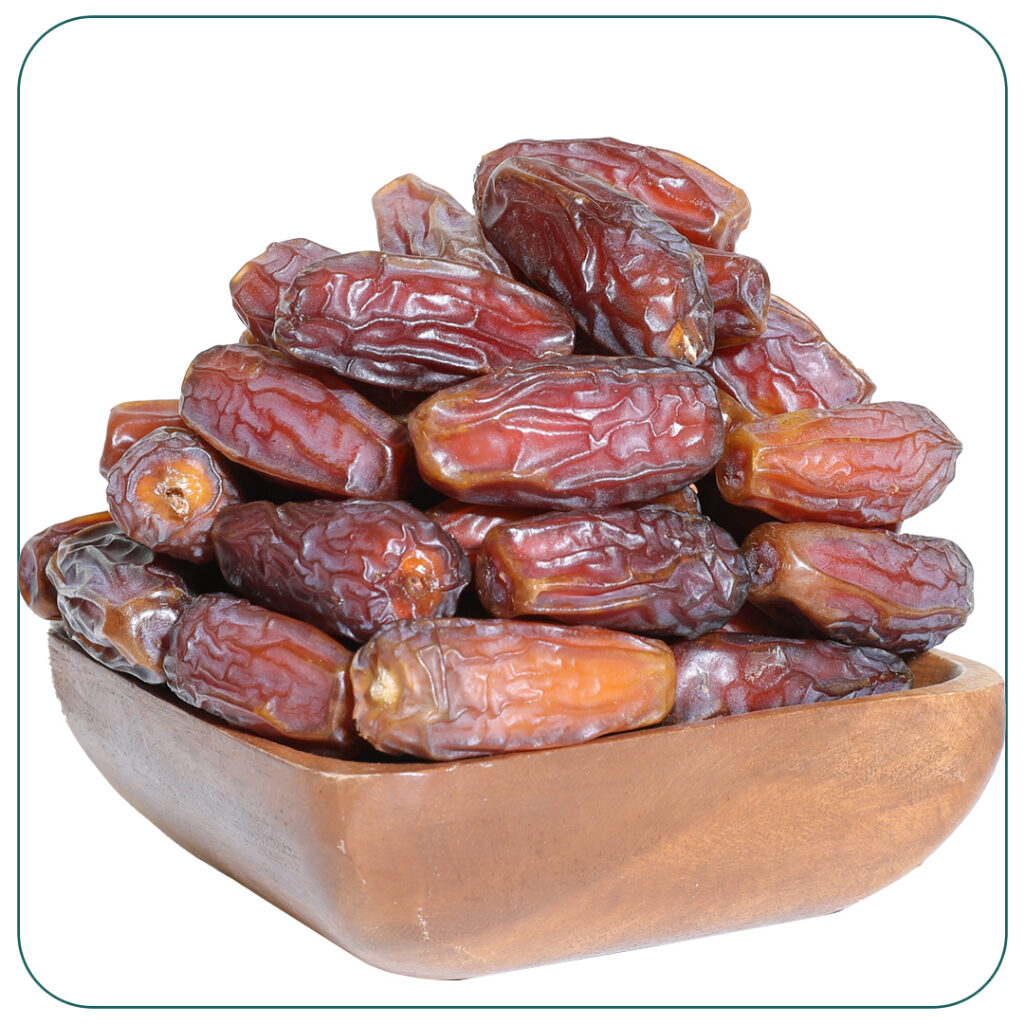
Mariami dates come from Iran, and most of what gets called a "medicinal claim" in Malaysian listings traces back to how the fruit is marketed once it leaves the farm — not to anything proven about the fruit itself. Here's the origin story and the buying facts, separated from the sales talk.
Where Mariami grows
Iran's Kerman, Bam and Jahrom regions produce most of the dates that reach Southeast Asia, and Mariami is one of the varieties grown alongside Piarom and Mazafati in that belt. The desert heat and long dry season give the fruit its dense sugar content and the dark, almost black skin. Malaysian buyers usually see it graded AA or AAA — size and moisture are what separate the two, and price follows grade, not marketing copy. More on how it compares to related Iranian varieties is at Kurma Mariami Piarom.
Why "medicinal" gets attached to it
Dates are a staple food across the Middle East, and centuries of food tradition attached health folklore to them the way any staple food accumulates folk claims. That is cultural history, not clinical evidence. Fibre and natural sugars are real nutritional facts about dates as a fruit; they are not evidence that Mariami treats or prevents any illness. Any listing that promises otherwise is writing marketing copy, and a real health question belongs with a doctor, not a product description.
What to check before buying
- Grade (AA vs AAA) and whether the price matches it
- Harvest season — Mariami dries out and loses flavour with age
- Skin condition — it should be soft and slightly wrinkled, not hard or crystallised with sugar
For a longer look at how the dates trade actually moves fruit from farm to warehouse, see this wholesaler's account of the supply chain.
Sourcing from us
We import directly, which is why our Mariami pricing tends to undercut retail packs sold on marketing claims. If you want to compare varieties before ordering, our import and nutrition breakdown has the rest of the range.