
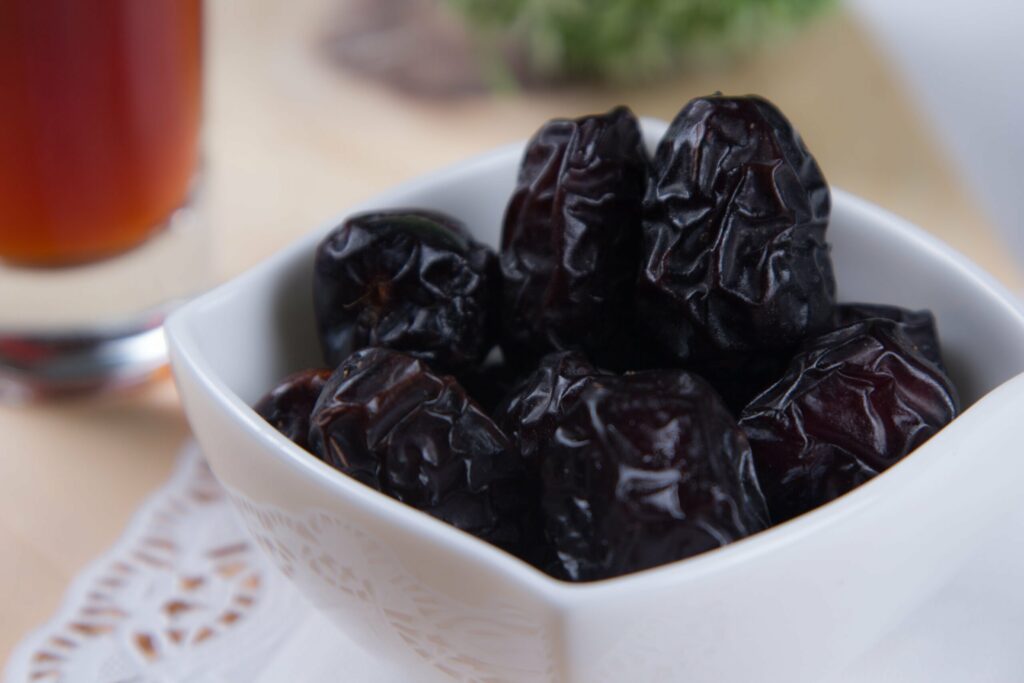
Why "Ajwa" gets misused on Malaysian shelves
Ajwa only grows around Madinah, Saudi Arabia, in limited volume, which is exactly why the name gets borrowed. Walk into any pasar malam stall during Ramadan and you'll see dark, small dates labelled "Ajwa" priced far below what genuine Madinah stock costs to import. Most of the time it's Safawi or a darker-skinned Iranian variety repacked under the more famous name. Borong Kurma Ajwa Malaysia buyers who deal with import documentation see this mislabeling constantly — it's a branding problem, not a quality one, since the substitute varieties are often perfectly good dates sold dishonestly.
How to tell real Ajwa from a substitute
A few checks catch most mislabeling before you commit to a bulk order:
1. Ask for the certificate of origin. Genuine Ajwa ships with Saudi export paperwork; a supplier who can't produce one for a "premium Ajwa" carton is likely repacking something else.
2. Compare the price against the season's known import cost. Ajwa rarely undercuts other premium varieties by much — if a carton is priced like Safawi or Sukkari, it probably is Safawi or Sukkari.
3. Look at the skin closely. Ajwa has a fine, almost dusty wrinkle pattern and a matte black-brown colour; some substitutes are glossier or have a redder undertone.
4. Taste it. Ajwa is drier and less syrupy than Medjool, with a faint bitterness at the skin that other dark varieties don't have.
Why this matters more at wholesale volume
A single mislabeled pack at a night market is a minor annoyance. A wholesaler who orders several cartons under the Ajwa name and gets a cheaper substitute is out real money, and if it's repackaged for retail or corporate hampers, the mistake reaches every customer downstream. Reputable importers will let a buyer inspect a sample carton and check paperwork before a full order ships — treat any supplier who resists that as a warning sign, not a formality being skipped to save time.
Dates that don't need to pretend to be Ajwa
Malaysia's wholesale market carries several honestly-labelled varieties worth considering instead of chasing Ajwa on a budget: Safawi (soft, sweet, Madinah-adjacent growing regions), Sukkari (very sweet, golden-brown, popular for gifting), and Iranian Mazafati or Piarom, which are moist, dark, and priced well below Ajwa while still working for gifting or retail. None of these need to borrow Ajwa's name to sell — a supplier proud of what they're actually stocking will tell you the variety straight, the way our own dates range is labelled by origin rather than marketed under a single premium name.
What to ask before placing a bulk order
Before confirming a carton quantity, get the variety name in writing, ask where it was grown, and request a sample if the order is large enough to justify it. A supplier who answers plainly and can back it up with paperwork is worth a standing order; one who dodges the variety question and just repeats "premium quality" is the one to walk away from.
Buying with confidence
Whether you land on genuine Ajwa or a well-priced honest alternative, the goal is the same: know exactly what you're buying before it's repackaged and sold under your own name. Get in touch through our contact page for current stock and origin paperwork, or see the about us page for how we source direct from growers.