
[caption id="attachment_2701" align="alignnone" width="300"]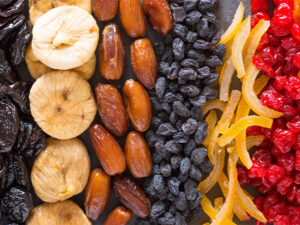 Screen Moment/Stocksy United[/caption]
The first two weeks feel harder than the diet actually is
Most people who try raw eating quit somewhere between day four and day ten, not because the food is unpleasant but because nobody warned them what the adjustment actually feels like. It's worth knowing in advance.
Hunger shows up sooner than expected. Cooking breaks down starches and proteins before they reach your stomach, so raw meals — even large ones — digest faster and leave you looking for the next meal earlier than a cooked diet would. That's not a sign anything is wrong; it just means portions and timing need adjusting, not willpower.
Cravings for something dense and sweet tend to spike around the second or third day. A few dates solve this better than most substitutes — the sugars are already in a form your body doesn't have to work to extract, and a soft variety chewed slowly satisfies a craving that a plate of raw carrots won't touch. Keep some within reach rather than out of sight; that's the whole trick.
Jaw fatigue is a real, minor thing nobody mentions. Raw vegetables and whole nuts take more chewing than their cooked or ground equivalents. It passes within a week or two as it becomes routine, but a blender for the first few days turns a tiring salad into a soup nobody has to fight with.
What settles by week three
Energy levels, once they steady out, tend to feel more even through the day rather than dipping hard after lunch — a common enough report, though it varies person to person and isn't a promise. Social eating stays the genuine friction point: most restaurant kitchens default to cooked food, so plan ahead for dinners out rather than trying to solve it at the table.
None of this requires an all-or-nothing start. A single raw meal a day for the first week, moving to two once the routine feels normal, gets most people through the adjustment without the crash-and-quit pattern. More on where our dates come from is on the About Us page, and Contact Us if you're stocking up for the transition. Current varieties are listed on the home page.