
Introduction
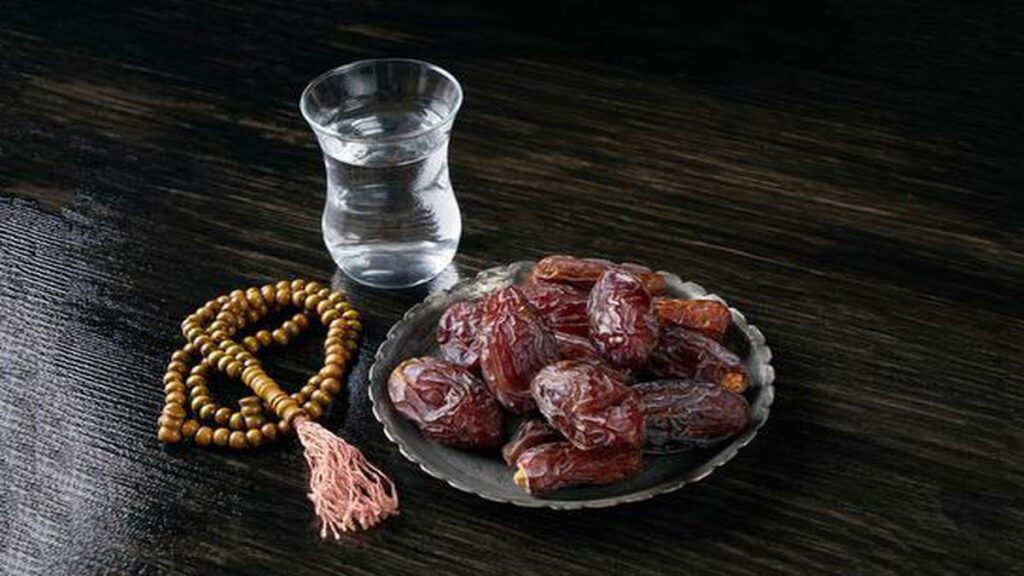
Buah kurma sales in Malaysia move in sharp seasonal swings. Ramadan alone can triple a supplier's monthly order volume, and the spike doesn't land on the same calendar dates every year the way Chinese New Year or Christmas does — it shifts by about ten days annually because it follows the lunar calendar. For an importer bringing in dates fruit from Iran rather than buying off a local shelf, that timing gap is the real challenge behind festive-season demand.
1. Why the demand spike isn't just a Ramadan story
Ramadan drives the biggest single jump, but Eid al-Fitr, Eid al-Adha, Chinese New Year and Christmas each add smaller bumps as dates get bought for hampers and gift baskets rather than daily eating. A supplier planning stock has to cover at least three separate order cycles a year.
1.1 Sea freight, not a same-week reorder
Dates shipped from Iran typically move by sea, and container booking, port clearance and inland delivery to Malaysia add up to several weeks from the day an order is placed. Ordering once demand shows up is too late — stock for Ramadan has to be committed while the previous festive season's stock is still selling down.
1.2 Harvest season doesn't move with the demand calendar
Iranian dates are harvested roughly August through October, a fixed agricultural window. Ramadan can fall anywhere across the year over a 33-year cycle. In some years harvest and demand land close together; in others a supplier is holding six-to-eight-month-old stock by the time Ramadan arrives. Storage condition, not just freshness at harvest, decides whether that stock is still good.
2. What changes at the retail end during festive seasons
Buyers switch behaviour, not just volume. During Ramadan, dates get bought in smaller repeat packs for daily iftar. Around Eid, Chinese New Year and Christmas, the same buyer often switches to a gift-box format — Sukkari or Medjool for size and presentation, alongside Iranian Sayer dates for everyday value. A supplier stocking only one pack size misses half the festive-season order.
3. Checking quality when the container lands
A shipment that sat in transit for six weeks needs an arrival check before it goes to shelf. Moisture should still leave the fruit pliable rather than dried hard. Skin should be even in colour, without white sugar-bloom crystallising on the surface. No clumping, which signals the stock got too warm at some point in transit. Any of those signs means a batch gets sold quickly or discounted, not held for a later festive push. See how grading and price connect for what that does to shelf price, and current Malaysian pricing for a benchmark.
Conclusion
Demand for buah kurma during festive seasons is really a logistics problem wearing a marketing headline. Sea-freight lead times and a fixed harvest window mean stock that sells during Ramadan or Chinese New Year was ordered, and often shipped, months before the shelves fill up. A buyer who understands that timing can ask a supplier a better question than "do you have stock" — ask when the shipment landed, and how it was stored since.