
Most people who try a raw diet plan don't fail because the food is hard to find. They fail because the plan lives on a piece of paper instead of in the grocery cart. Change what goes in the cart and the rest mostly takes care of itself.
Read the ingredient list on whatever you'd normally grab for a snack. A granola bar often runs eight to twelve ingredients, half of them sugars under different names. A bag of whole dates has one ingredient: dates. That single-line label is the entire idea of "raw" — food that doesn't need a list to explain what's in it.
This isn't a reason to eat unlimited dates. They're dense — a handful adds up fast, faster than the same volume of berries or melon. The trick is swapping, not stacking: dates replace the sugary snack in the cart, they don't sit next to it.
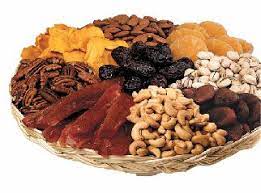
A cart built around this plan looks ordinary. Whole fruit instead of juice boxes. Plain nuts instead of flavored ones. A bag of Mariami or Piarom dates instead of the biscuit aisle. Vegetables you'll actually eat raw or barely cooked — carrots, cucumber, snap peas — rather than ones that only work boiled into something else.
Where it gets easier is treating dates as an ingredient, not just a snack. Chopped into a morning oatmeal, blended into a smoothie, stuffed with a few almonds for something that feels closer to dessert than diet food. We've written before about using dates in cooking beyond sweet treats, which is worth a look if the same snack every afternoon gets boring.
If you're deciding between fresh and dried for this kind of eating, dried travels better and lasts weeks in a sealed container — the tradeoffs between the two come down mostly to texture and how soon you'll eat them.
The plan doesn't need willpower so much as a shorter shopping list. Buy less of what needs a label to explain it, more of what doesn't.