
The wholesaler question, asked about Iranian dates
People who search for a dates wholesaler Malaysia usually want one thing: a supplier who sends the same date, in the same condition, every time they reorder. On this site the question is narrower, because the dates we write about come from Iran. Malaysia has no commercial date growing, so every carton sold here is imported, and the Iranian varieties travel and store in quite different ways. A good wholesaler for them is one who handles that difference properly.
Start with the four names you will see most
Most Iranian stock in Malaysian listings goes under four names.
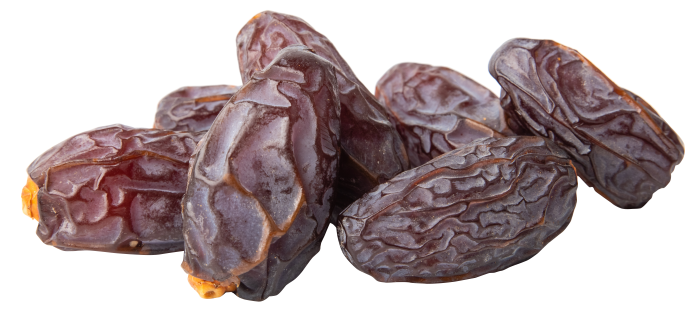
- Mazafati, often sold as "Rotab Mazafati Bam" or "kurma madu". It comes from Bam in Kerman province. It is dark, very soft and high in moisture, and it has to be kept cold.
- Mariami, which also turns up in product names like "Mariami Piarom". Iranian, dark, semi-dry and chewy.
- Piarom, from Hormozgan. Dark and semi-dry, with a thin skin.
- Sayer, also traded as Stamaran, from Khuzestan. Amber-brown and semi-dry. It is a separate variety from Shahani, though the two names sometimes get mixed up on listings.
A wholesaler who knows the trade uses these names the same way on the quotation, the invoice and the carton label. If the name drifts from one document to the next, ask why before you pay.
Storage is where Iranian suppliers differ most
Mazafati is the one that changes the conversation. Because it is soft and moist, it is cold-stored and sold all year, so finding rotab Mazafati in October or in April is normal. What matters is that it stays cold between the importer's store and your shop. Ask how chilled stock is held and how it will reach you: a chilled lorry, an insulated box with ice packs, or an ordinary courier parcel that sits in a hot van for two days.
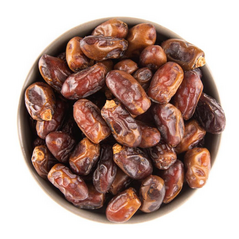
Mariami, Piarom and Sayer are semi-dry and far more forgiving. Kept sealed somewhere cool and dry, they cope with normal courier or postal delivery, which makes them the easier choice for Sabah, Sarawak or anywhere a chilled run is not practical. If you need both kinds, check that the supplier can split one order into a chilled part and an ambient part instead of sending everything the same way.
Grades and prices need careful reading
Grades such as A, AA, AAA and Jumbo are each importer's own size sorting. No international standard sits behind them, so "AA Mariami" from one supplier can be a different size from another supplier's AA. Compare sample cartons, not labels. Our wholesale price guide walks through a diverse selection of date varieties and how they are usually quoted, and our piece on date prices and grading systems in Malaysia explains why the same grade name can mean different things from different importers.
Plan orders around the busy months
Demand peaks before and during Ramadan. Hari Raya, wedding hantaran, kenduri and umrah gifts make up the other busy periods. Middle-East dates, Iranian ones included, are mostly harvested from late summer into autumn, and new-season stock reaches Malaysia some weeks after that. If you need a large supply of dates for Ramadan, settle quantities with your wholesaler well before the rush, while there is still stock to choose from. Our note on festive-season demand for dates covers that timing in more detail.
Questions to ask before the first bulk order
- Which of your Iranian varieties are held chilled, and how will they travel to my address?
- What grade sizes do you use, and can I see a sample carton of the grade I plan to order?
- Does the variety name on your invoice match the carton label?
- Can you split chilled and ambient stock within one order?
- How much notice do you need ahead of Ramadan?
A supplier who answers these plainly tends to be easy to deal with on the twentieth order as well as the first. Once the stock arrives, our article on how taste and texture vary between date varieties is a useful next read.